
Home battery storage should match when your home needs energy — not just how much it can store.
For a solar battery system, the practical questions are how much excess solar you have, when you use power, what equipment you already own and whether blackout backup is important to you. Capacity is only part of the conversation.
Low-voltage and modular storage pathways matched to compatible Fox inverter families.
GoodWe storage pathway aligned with the selected hybrid inverter architecture.
High-voltage modular storage options for single-phase and three-phase system design.
Home battery storage for new and existing solar.
Whether you are adding a battery to existing solar or planning a new solar + battery system, final capacity and inverter compatibility are confirmed as a complete system — not from the battery name alone.
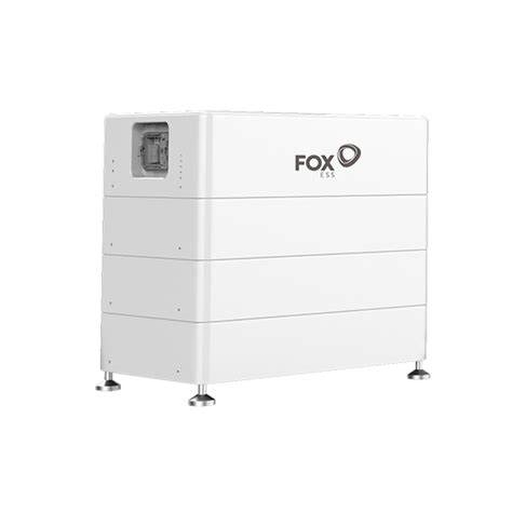
Fox ESS EQ4800
EQ4800 L2–L9 pathwayScalable LFP storage pathway generally paired with compatible Fox ESS inverter families.
View battery details →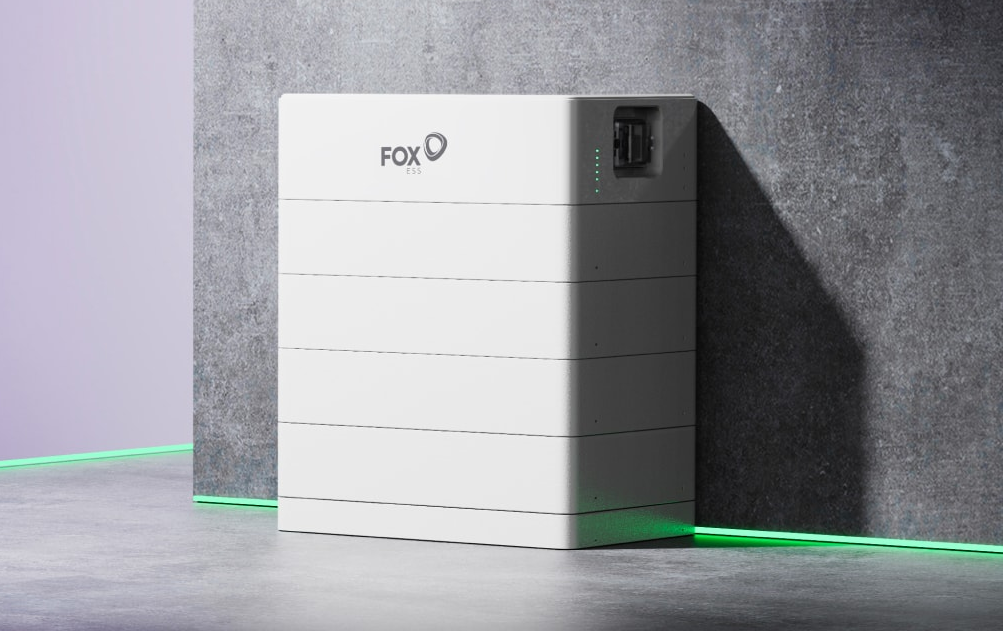
Fox ESS CQ7
CQ7 L2–L7 / L3–L12Modular storage family used in selected Fox ESS single-phase and three-phase pathways.
View battery details →
GoodWe battery
GW8.3-BAT-D-G21GoodWe storage pathway used with the selected hybrid inverter architecture and compatibility set.
View battery details →
Sungrow storage
SBR & SBH seriesModular Sungrow storage families for residential single-phase and higher-power three-phase pathways.
View battery details →What are you trying to achieve?
Storage makes more sense when the purpose is clear.
Shift daytime generation into the evening
Useful for homes that export excess solar during the day but use more power after the sun goes down.
- Review export and evening use
- Check battery compatibility
- Consider capacity against real demand
Design generation and storage together
Coordinate solar size, inverter choice and battery pathway from the beginning.
- Consider future household load
- Review phase requirements
- Plan equipment placement
Discuss what you want powered in an outage
Backup capability varies by system, so it should be treated as a design requirement rather than assumed.
- Identify essential circuits
- Confirm backup capability
- Set realistic expectations
Before choosing capacity, check the system around it.
A battery retrofit is not just a storage decision. The inverter, switchboard, phase, array size and installation space can all affect the design.
Solar and inverter compatibility
What you already have determines which storage pathway is practical and compliant.
Day, evening and overnight demand
Battery sizing should reflect when energy is actually needed, not only the headline capacity.
What must stay powered?
If backup matters, essential loads and system capability should be discussed early.
How the storage system can integrate with what is already installed.
How much electricity is used during the day, evening and overnight.
Where batteries and related equipment can be safely and practically installed.
Whether blackout backup is required and which loads should remain available.
Cheaper Home Batteries Program (CHBP).
The CHBP supports eligible small-scale battery systems connected to new or existing rooftop solar. It is delivered through the Small-scale Renewable Energy Scheme using STCs.
Eligible battery systems can be connected alongside a new rooftop solar installation or an existing solar PV system.
The available support is linked to eligible battery capacity and the current certificate rules.
Battery approval, installer accreditation, capacity limits and program settings should be checked before the final proposal.
Questions worth answering before capacity.
Can a battery be added to any existing solar system?
Many systems can be upgraded, but compatibility depends on the inverter, electrical configuration, available space and the battery architecture being considered.
How should battery size be chosen?
Capacity should be considered against your excess solar generation, evening and overnight consumption, backup goals and future energy use.
Will every battery power my house during a blackout?
No. Backup capability varies by battery, inverter and system design. If blackout backup matters to you, make it a specific requirement during the design process.
Can I add more battery capacity later?
Some systems are modular and can be expanded, while others have specific design limits. If expansion matters, discuss it before choosing the system.
What is the Cheaper Home Batteries Program (CHBP)?
The CHBP is an Australian Government program supporting eligible small-scale battery installations connected to new or existing rooftop solar. It is delivered through the Small-scale Renewable Energy Scheme using STCs, with eligibility and certificate values subject to current program rules.
Already have solar?
Send us your bill and existing inverter details and we can start with compatibility.