
Solar and battery packages planned as one coordinated energy system.
Rather than forcing every property into a fixed solar and battery package, ALLSOL plans panel size, inverter pathway, storage capacity and future household loads together. The result is a more coherent solar + battery system and fewer avoidable compromises later.
470W and 475W families across our current quoted rooftop module range.
Hybrid and grid-tied pathways aligned with the complete system design.
Storage capacity matched to usage, compatibility and the role you want the battery to play.
Solar and battery packages for Australian homes — planned as one system.
We build each solar + battery proposal from confirmed product families, then check the final panel, inverter and battery pairing against site requirements and current manufacturer compatibility information.
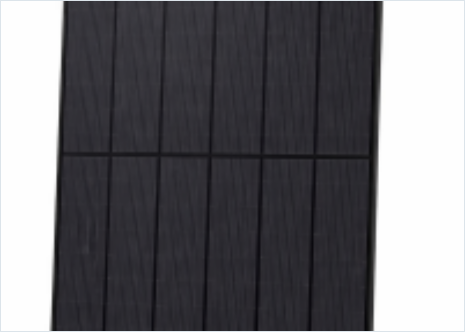
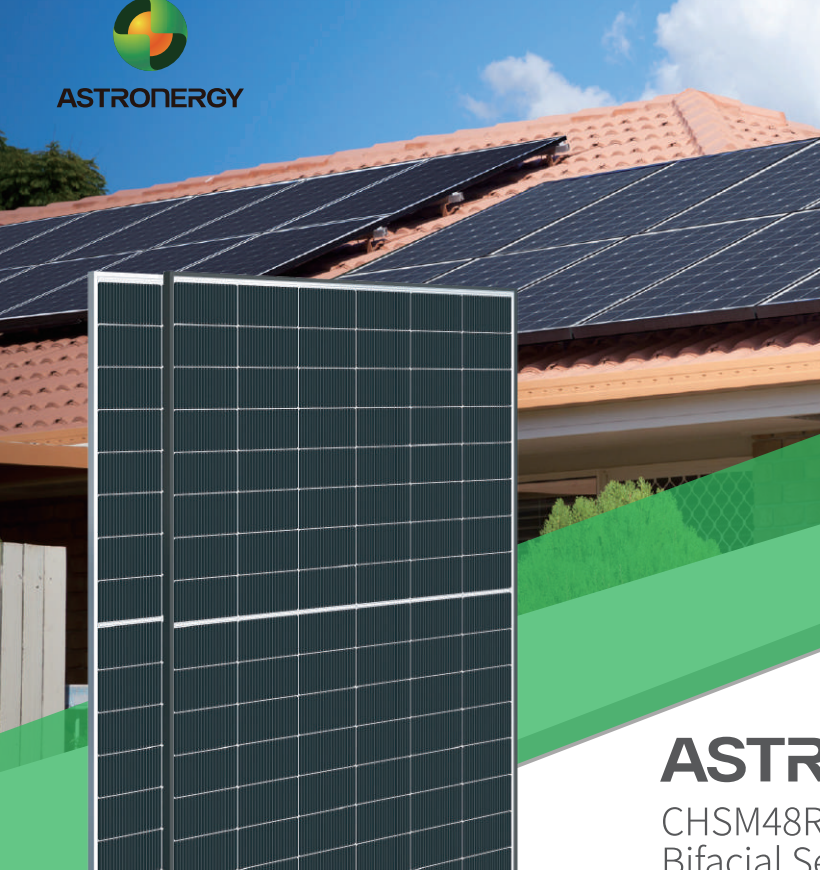
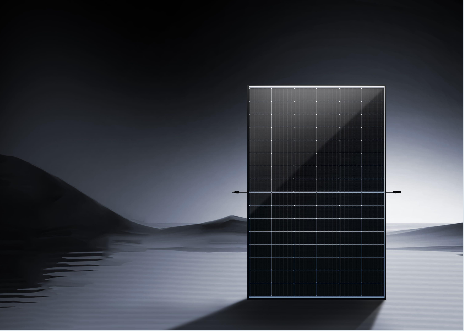
470W & 475W panel range
Jinko · Astronergy · TrinaSelected around the confirmed residential-focused module families in our current range.
Explore panel range →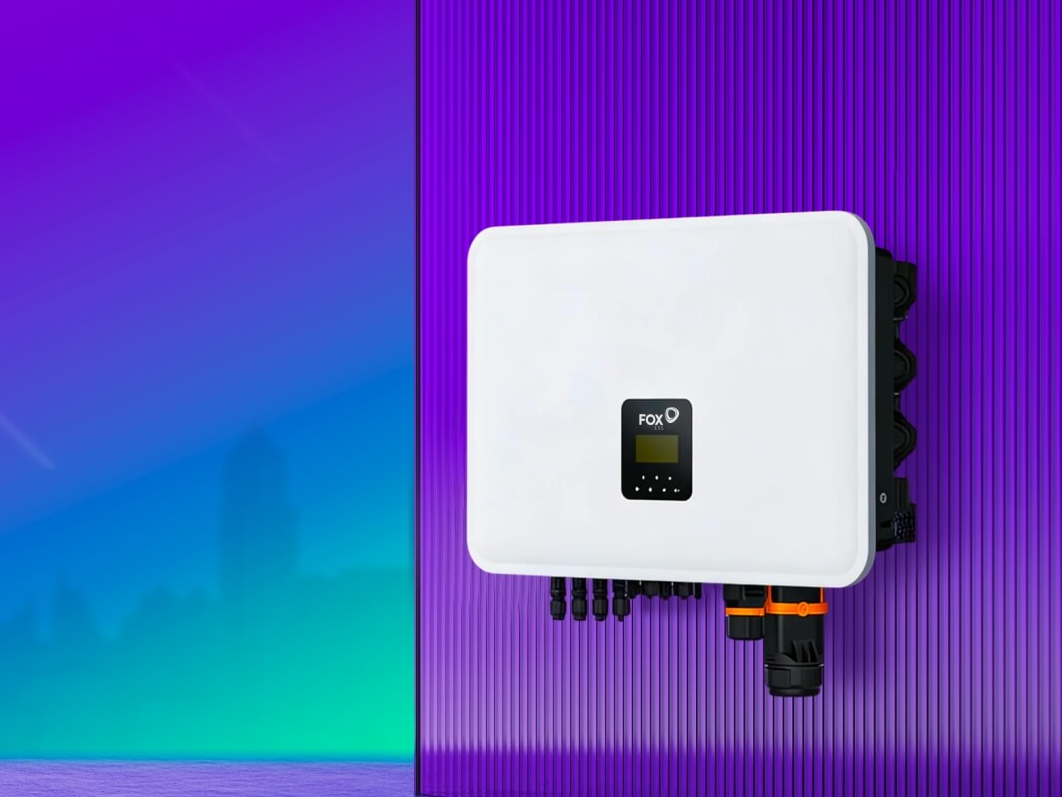
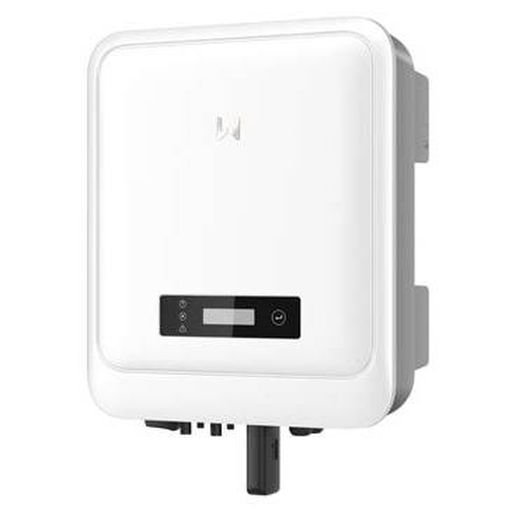
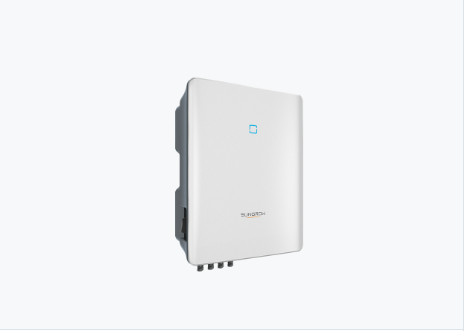
Inverter pathways
Fox ESS · GoodWe · SungrowHybrid and grid-tied families across single-phase and three-phase design pathways.
Explore inverter range →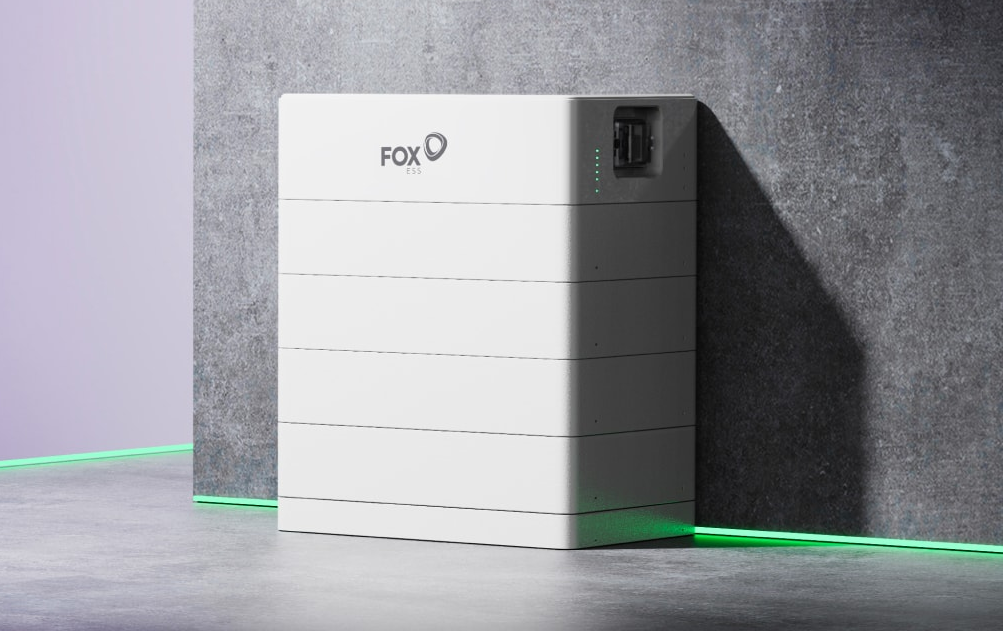
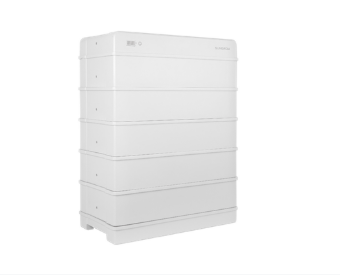
Battery storage range
Fox ESS · GoodWe · SungrowEQ4800 / CQ7 · GW8.3-BAT-D-G21 · SBR / SBH families for coordinated design.
Explore battery range →Six connected decisions.
Changing one part of the design can affect the others.
How much electricity can the roof produce?
Roof space, shading and system limits influence the generation side of the plan.
How much energy is worth shifting?
Battery capacity should relate to excess generation and when the property consumes energy.
What needs to work together?
Inverter choice affects compatibility, phase requirements, power limits and future expansion.
What might change later?
EV charging, electrification or rising household demand can be worth considering from the start.
What should stay powered?
If blackout backup matters, it should be designed into the system rather than assumed.
Where should the spend go first?
We can help separate essential design requirements from options that can be deferred.
Solar first, battery first, or both together?
Different situations call for different design conversations.
Reduce daytime grid use now
Useful when you want to begin with generation and keep storage as a future option.
- Ask whether the design is battery-ready
- Consider roof, inverter and export pathway
- Allow for future household changes
Use more of your existing solar
Suitable where excess daytime generation already exists and later-day usage is stronger.
- Check inverter and system compatibility
- Review how much excess solar is available
- Discuss backup and installation constraints
One coordinated design
Best when you want generation, storage and future load planning discussed from the beginning.
- Balance panel size, inverter and storage
- Consider EV or electrification plans
- Review budget and staging options
Make the trade-offs visible.
A combined proposal should show how the solar and battery sides relate to each other, rather than presenting two separate products.
How the solar array and battery are intended to work together.
Electrical design factors that affect the equipment pathway.
What the proposed system is designed to support now and later.
What is included today and what still depends on site review or approval.
STCs for solar + CHBP for eligible batteries.
When solar and storage are quoted together, the incentives should still be shown clearly rather than hidden inside one package price.
Small-scale Technology Certificates
Eligible rooftop solar can create STCs under the SRES, with the certificate value commonly reflected as an upfront discount.
- Depends on current scheme rules
- Approved equipment and accredited installation requirements apply
- Should be itemised clearly in the proposal
Cheaper Home Batteries Program
Eligible batteries connected to new or existing solar may receive CHBP support delivered through the SRES using STCs.
- Eligibility depends on current program criteria
- Battery capacity and approval requirements matter
- Program settings may change over time
Keep the incentives transparent
We prefer to separate equipment, installation and applicable incentive assumptions so you can understand the underlying system price.
- Solar STC assumptions shown separately
- CHBP eligibility checked for batteries
- Final values confirmed against current rules
From first enquiry to installation planning.
Simple enough to follow, detailed enough to support a considered decision.
Share your situation
Tell us about the property, your bill, existing solar and what you want to improve.
We review the options
We look at practical system pathways and the information still needed for the site.
We explain the proposal
You get a clearer picture of the recommendation, inclusions and trade-offs.
Plan the next steps
Once approved, the project moves into installation coordination and handover planning.
Plan the system, not just the products.
Is it easier to install solar and battery together?
It can simplify planning because inverter choice, generation, storage and future requirements can be considered at the same time. Whether it is the best approach depends on your goals and budget.
Do I need the biggest battery I can afford?
No. Storage should be assessed against the amount of energy available to store, when you use it and what you expect the battery to do.
Can a combined system be expanded later?
Some system architectures allow expansion more easily than others. If future expansion matters, make it part of the design brief from the start.
Can a solar + battery quote include both STCs and CHBP support?
Potentially, where the solar and battery components meet the applicable eligibility requirements. Solar STCs and CHBP battery support should be checked against the current scheme rules and shown clearly in the proposal.
Want one plan for solar and storage?
Share your bill and future plans. We’ll use them as the starting point for the design conversation.