
Residential solar systems should be sized around how you use power — not just your roof.
A good residential solar design balances available roof space, electricity use, inverter sizing, site limitations and what you may add later. The aim is to recommend a solar PV system that fits the property, not force the property into a generic package.
Core module families selected around 470W and 475W performance classes.
Matched to phase, site constraints and whether battery storage may be added later.
That is usually enough to begin a practical solar design conversation.
Residential solar panels and inverter options.
These are the main solar panel and inverter families currently featured across our Australian residential and business solar proposals.
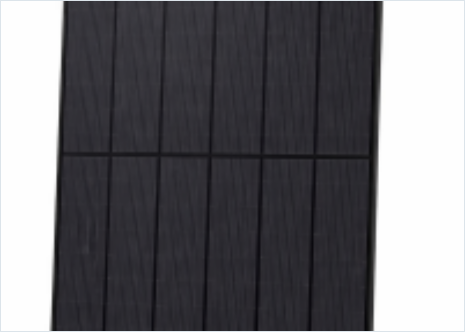
Jinko Solar
JKM475N-48QL6-DV475W N-type monofacial dual-glass module for compact rooftop design pathways.
View panel details →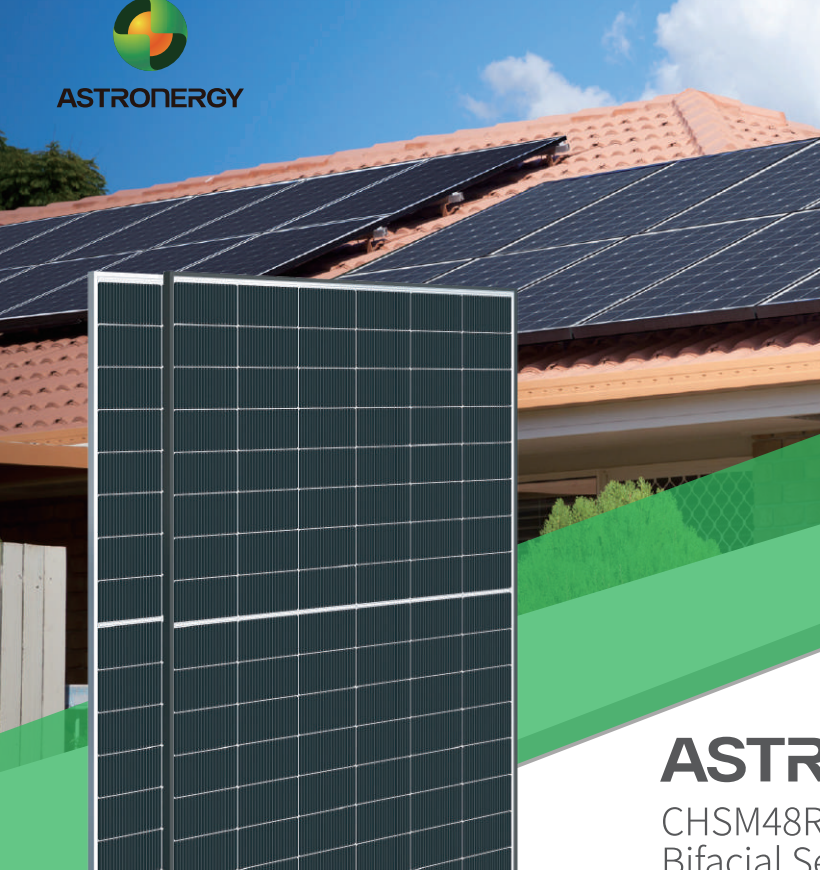
Astronergy
CHSM48RN(DG)/F-BH-470470W N-type bifacial dual-glass family used where a premium residential module is preferred.
View panel details →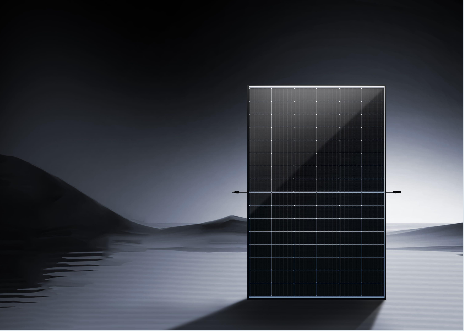
Trina Solar
TSM-470NEG9RH.28470W Vertex S+ low-voltage module family with compact dimensions for rooftop systems.
View panel details →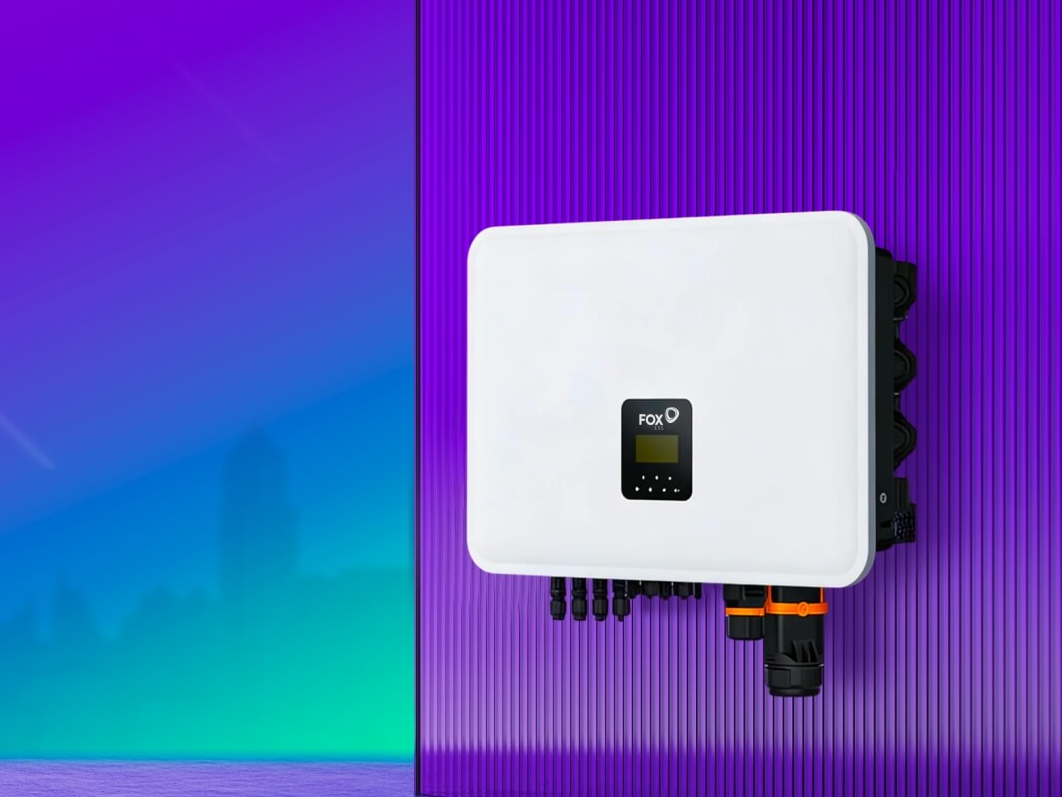
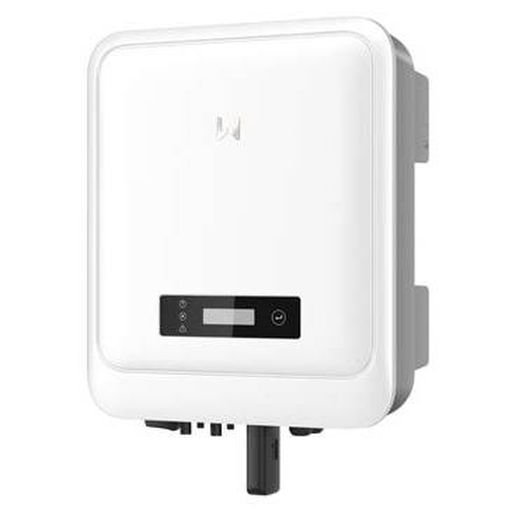
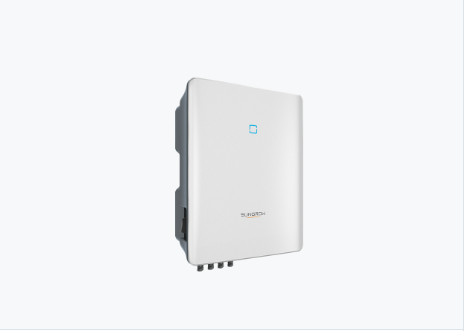
Solar inverter families
Fox ESS · GoodWe · SungrowMatched to single-phase or three-phase design requirements and future battery plans.
View inverter details →Six checks before we talk panel count.
The right answer depends on the property as much as the equipment.
When and how much power you use
Recent bills help show the scale of consumption and whether daytime use can be matched with solar generation.
Space, orientation and shading
Usable roof area, layout and site conditions influence how a system can be designed and laid out.
Single phase or three phase
Property phase and network requirements affect inverter choice and system design pathways.
Battery, EV or higher loads later
It is often worth allowing for future upgrades so the initial system does not create avoidable limits.
Budget versus flexibility
We help separate essential design items from upgrade options that can be considered later.
Inclusions and assumptions
You should know what is included, what depends on site conditions and what happens next.
Three practical solar conversations.
These are useful ways to think about the design — not fixed packages.
Cover more of your normal daytime use
Suitable for homes with moderate consumption and straightforward roof conditions.
- Review recent bills
- Keep battery readiness in mind
- Prioritise sensible inverter sizing
Plan for larger household loads
Useful where energy consumption is higher or there are bigger daytime loads to offset.
- Consider available roof area
- Review phase and network limits
- Discuss future electrification
Match generation to operating hours
Commercial solar can depend strongly on the timing of site loads and the way the business operates.
- Review interval or billing data
- Understand operating schedule
- Plan around site constraints
Enough detail to compare properly.
A useful solar proposal should help you understand why the system was recommended and what you are actually buying.
The basic design being proposed for your property.
What equipment is being offered and why it fits the design.
What is part of the quoted scope and what may depend on site conditions.
The approvals, information and coordination needed before installation.
How the STC solar rebate works.
“STC rebate” is the common search term, but the formal incentive comes from Small-scale Technology Certificates (STCs) created under the Small-scale Renewable Energy Scheme (SRES).
The number of certificates depends on factors including system size, location and the scheme rules in force.
Solar retailers or installers generally handle the STCs and show their value as a discount in the quote.
Approved equipment and accredited installation requirements apply, and scheme settings can change.
Before choosing a system.
Is a bigger solar system always better?
Not necessarily. A larger system may generate more electricity, but the value depends on your usage pattern, roof, export conditions, tariff and future plans.
Can solar be designed now for a battery later?
Yes. If battery storage is a likely future upgrade, it is worth discussing inverter and system compatibility during the original design.
What affects the final installation design?
Roof layout, shading, switchboard condition, property phase, network requirements, access and equipment placement can all matter.
What is the STC solar rebate?
The commonly searched “STC rebate” refers to the value of Small-scale Technology Certificates created by eligible rooftop solar under the Small-scale Renewable Energy Scheme. Retailers or installers usually handle the certificates and show their value as a discount in the quote, subject to current eligibility rules.
Ready to look at solar for your property?
Start with your power bill and postcode. We’ll help with the rest.